




Biotech graduates urged to solve social problems
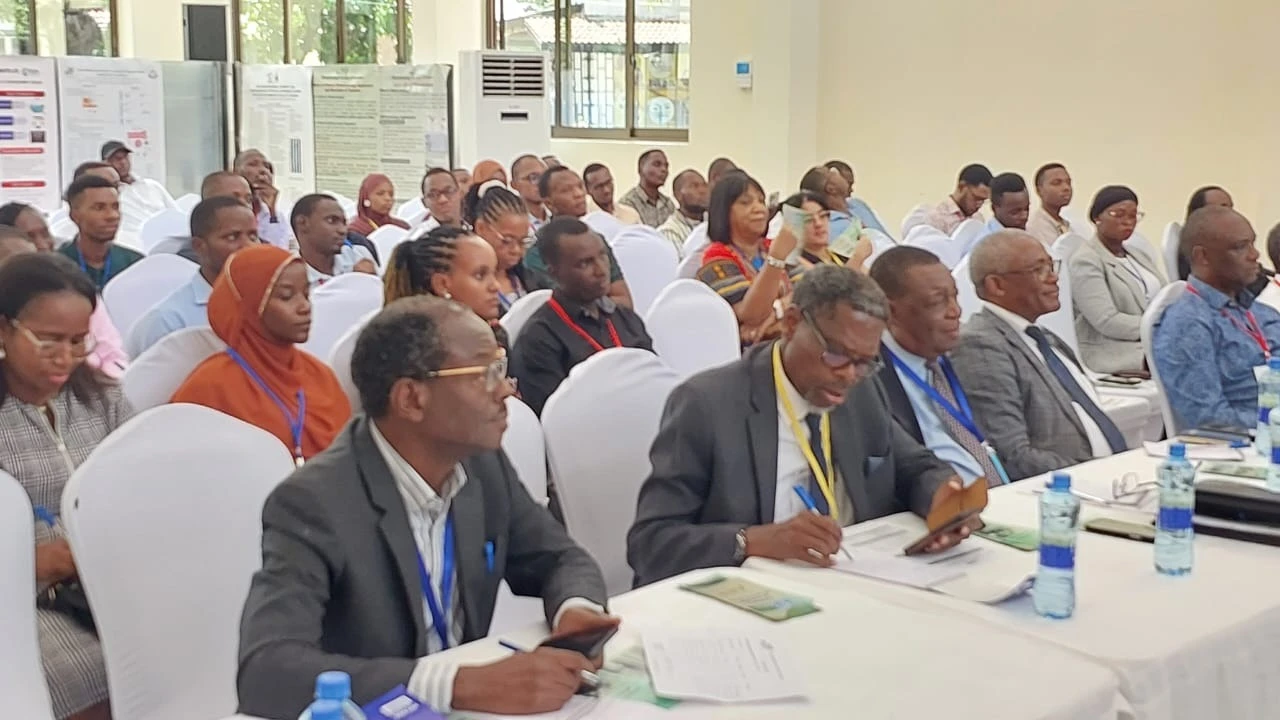
Graduates in biotechnology have been urged to develop innovative solutions to address challenges in agriculture, health and environmental management—while creating income opportunities and tackling youth unemployment.
Professor Peter Msofe, Deputy Permanent Secretary in the Ministry of Agriculture, made the call during a biotechnology stakeholders’ engagement meeting and the Annual General Assembly of the Biotechnology Society of Tanzania (BST).
He said the government has allocated 200bn/- to support youth projects and is ready to assist young innovators.
“You can develop ideas such as solid waste recycling projects that generate useful products. This is a viable area because waste continues to accumulate every day,” he said.
The meeting aimed to raise awareness of modern biotechnology applications and discuss biosafety regulatory challenges in Tanzania.
Prof. Msofe stressed the importance of public education to eliminate misconceptions surrounding biotechnology.
“We must ensure people understand the regulations governing this technology to remove fear and promote proper use,” he said.
He added that the government will continue reviewing biotechnology laws to strengthen oversight and ensure responsible application for national development.
The Vice President’s Office – Environment Division is currently collecting stakeholders’ views on biotechnology legislation and guidelines to enhance implementation of the National Environmental Policy of 2021.
The government’s broader goal is to transform Tanzania into an industrialised economy by modernising agriculture and industry to improve productivity and efficiency.
“This will be possible if farmers and other value chain stakeholders are empowered to use appropriate technologies,” Prof. Msofe noted.
However, he acknowledged that Tanzania has made limited progress in biotechnology research and commercialisation, partly due to strict liability provisions governing modern biotechnology products.
Former BST chairman, Professor Peter Msolla, said many universities and research institutions lack adequate laboratories, modern equipment and sufficient funding. This affects the quality of training and limits students’ ability to apply practical skills.
He urged the government to invest more in research and train additional experts to oversee modern biotechnology.
“Without research, we cannot develop biotechnology-based products,” he said.
Lack of capital remains a major obstacle for researchers and youth seeking to establish biotechnology start-ups. Many graduates struggle to secure loans because they lack collateral.
“As a result, they fail to realise their dreams,” Prof. Msolla said.
Limited employment opportunities and few biotechnology industries have also forced many graduates to shift to unrelated careers.
The meeting, held under the theme ‘Biotechnology for Enhancing Food Security and Socio-Economic Development’, brought together senior scientists, researchers and students from Tanzania, Ethiopia and Kenya.
It was supported by the Tanzania Commission for Science and Technology (COSTECH), the African Agricultural Technology Foundation (AATF) and the University of Dodoma (UDOM).
Other participating institutions included the Sokoine University of Agriculture (SUA), the Nelson Mandela African Institution of Science and Technology (NM-AIST), the University of Dar es Salaam and the Ifakara Health Institute (IHI).
During the Annual General Assembly, Dr Emmarold Mneney was elected BST chairman, deputised by Dr Frola Ismail. Dr Lucy Dalus was elected Executive Secretary, assisted by Steven Machage. Dr Janeth O. Kaaya became Communications Officer, with Tito Suzuguye as Deputy Communications Officer. Prof. Msolla was elected BST Patron alongside other Executive Committee members.
Meanwhile, Amos Nungu, Director General of Tanzania Commission for Science and Technology, said biotechnology offers vast opportunities in agriculture, health and environmental management.
“Biotechnology provides innovative solutions beyond GMOs. Scientists and innovators should seize these opportunities,” he said.
Top Headlines
Trending Stories
















© 2026 IPPMEDIA.COM. ALL RIGHTS RESERVED