




India AI summit aims to shift focus from model races to scaled reality
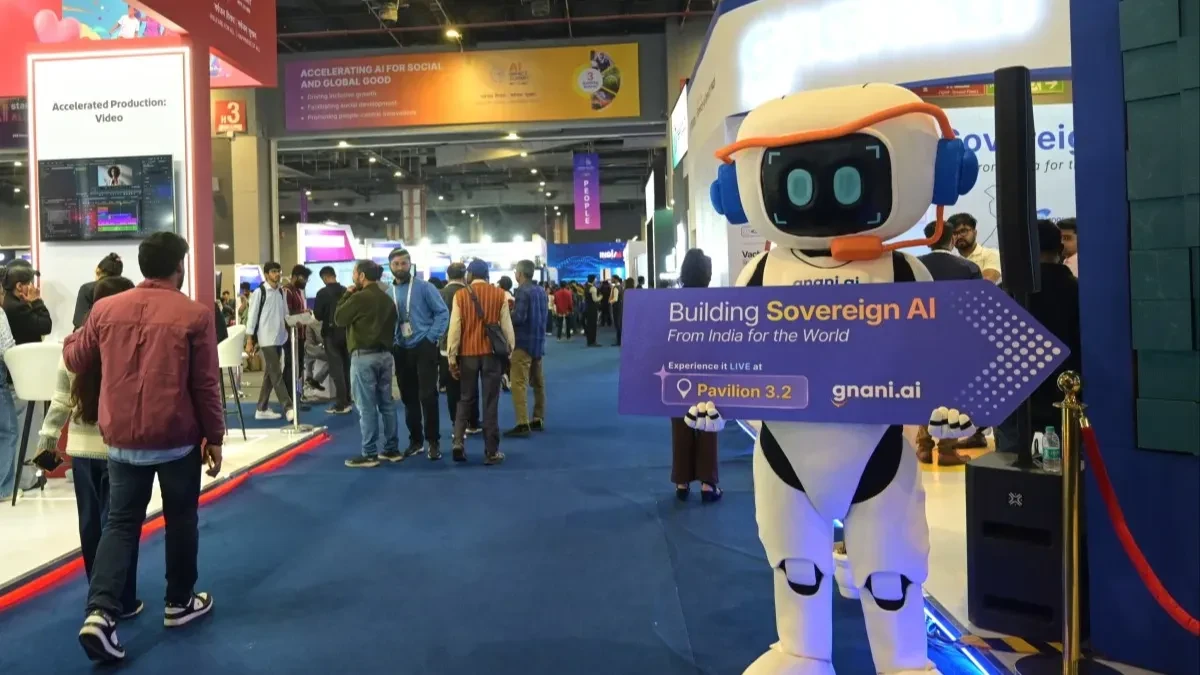
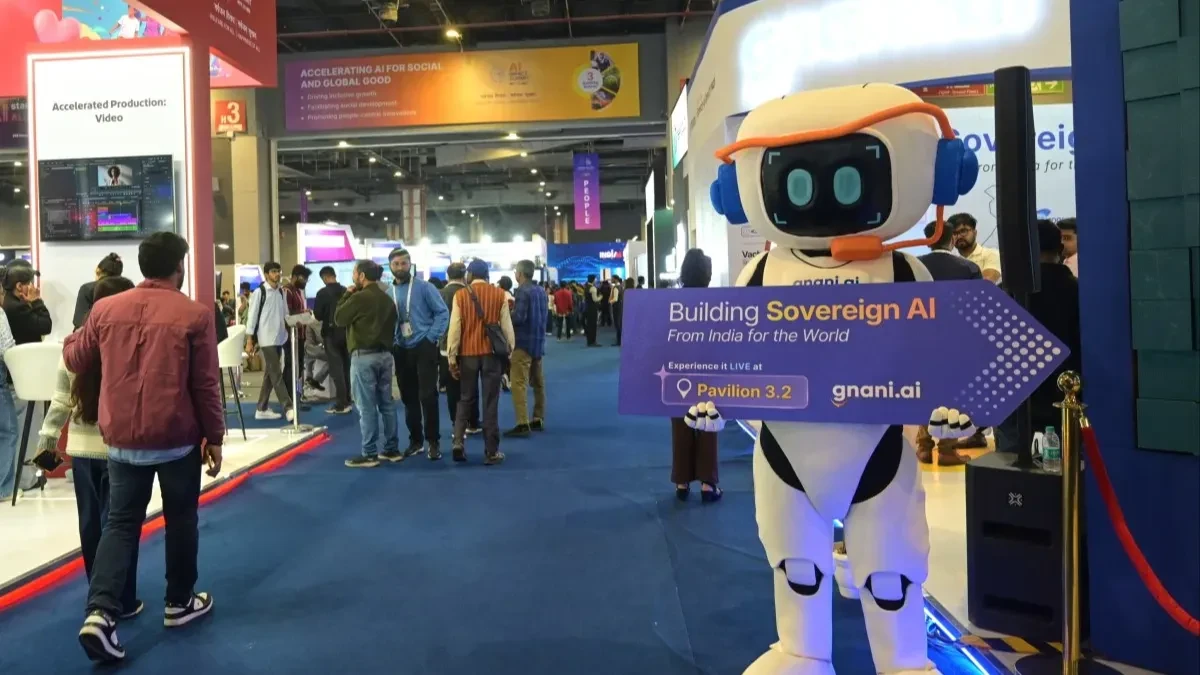
One of the world’s most high-profile gatherings on artificial intelligence (AI) has opened in India, with analysts saying it could shift the focus from the race to build ever more powerful models to the challenge of deploying them at scale.
As policymakers and tech executives convene for the India AI Impact Summit, they say the five-day event offers emerging and middle-ranking economies a chance to reframe AI as public infrastructure and work together to put it into public services, rather than trying to outspend the United States and China in a capital-intensive technology race.
This year’s gathering, which kicked off in New Delhi on Monday and is hosted by the Indian government, follows previous major AI summits in the United Kingdom, South Korea and France. It is the first in the series to be held in a developing country.
India has quickly climbed the ranks in global AI competitiveness as measured by Stanford University researchers, placing third last year behind the US and China in an assessment of national AI ecosystems spanning research, talent, infrastructure and policy.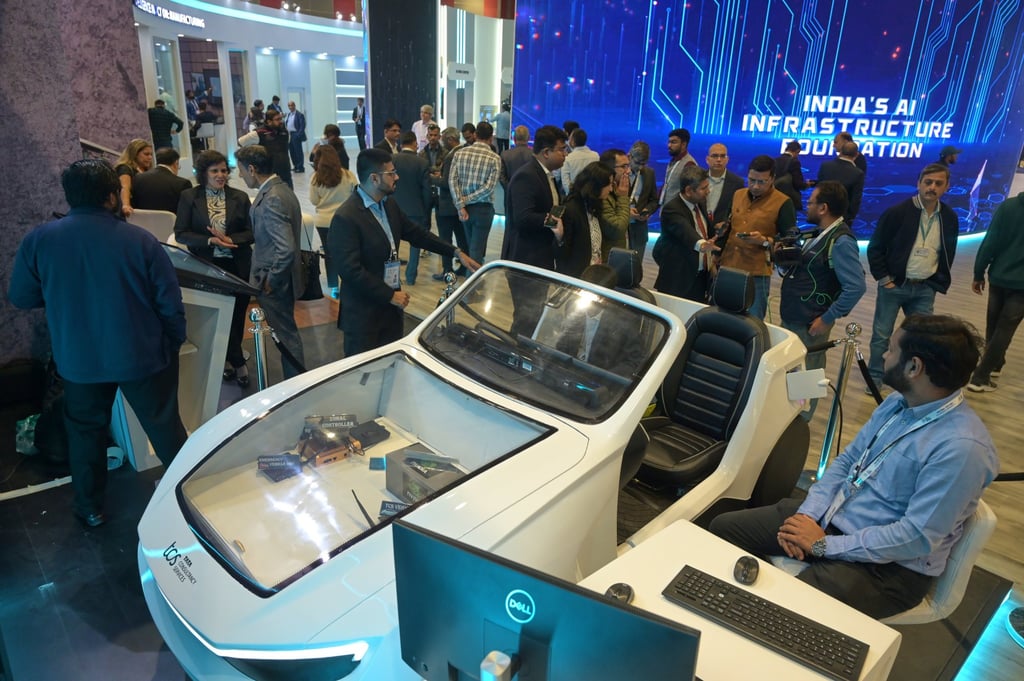
According to the Tony Blair Institute for Global Change (TBI), low- and middle-income countries should start treating AI as public infrastructure now to realise its potential by 2035.
“The US and China dominate the capital-intensive race to train frontier models, and most emerging economies cannot realistically replicate this model,” Kengo Shibata, a science and technology analyst at TBI, told This Week in Asia.
“However, the greatest socioeconomic gains from AI will come from widespread and strategic deployment and adoption.”
For countries facing capacity deficits, weak data systems and fragmented institutions, AI could act as a force multiplier for enabling decisions and ensuring faster service delivery and more efficient use of resources, Shibata said.
“AI can help governments leapfrog traditional development constraints by improving public services across sectors.”
The India AI Impact Summit is expected to host more than 250,000 visitors with 20 national leaders, including French President Emmanuel Macron and Brazil’s Luiz Inacio Lula da Silva, and 45 ministerial-level delegations planning to attend.
The guest list also includes tech CEOs Sam Altman of OpenAI and Google’s Sundar Pichai.
In an article in The Times of India on Sunday, Altman said India, the world’s largest democracy, had the ingredients to be a full-stack AI leader.
“It’s critical to get the balance right,” he said.
Altman listed three things that could make the difference: equipping more people with AI literacy, building the computing and energy infrastructure and integrating the technology into real work inflows.
India has been successful in rolling out digital platforms for public services, such as establishing real-time payments and scalable Digital Public Infrastructure for its 1.4 billion population.
Two years ago, the government launched a US$1.25 billion “IndiaAI Mission” to nurture start-ups and build infrastructure, including establishing three AI education centres focused on research, though experts say these efforts are still at an early stage.
With a large pool of software developers and engineers, the challenge for India will be to leverage these resources to deploy AI in practical applications. Such an effort, if successful, could bolster the country’s ambitions as a leader of the Global South and offer a template for other emerging nations, analysts say.
“There is substantial potential for cooperation, particularly in shared infrastructure, standards, skills and locally relevant use cases,” Shibata said.
Emerging economies could pool investment in regional computing hubs, align on interoperable data and governance standards, co-develop local-language and context-specific AI tools, and build joint talent networks, he said.
“Such collaboration can reduce costs, avoid duplication and strengthen bargaining power in global AI supply chains,” he added.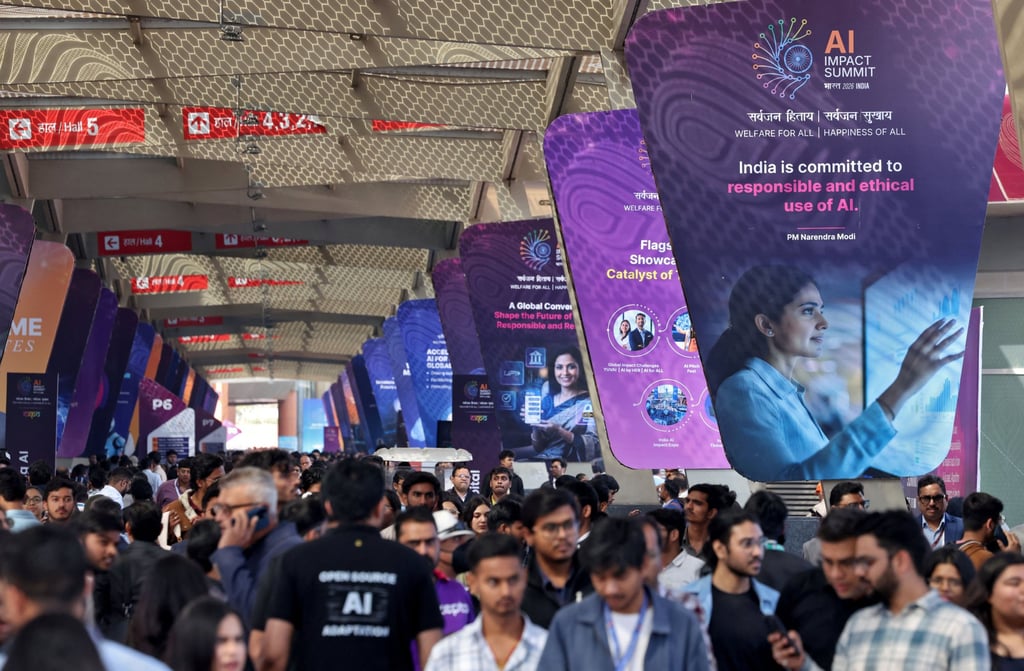
Supriyo Chaudhuri, CEO of e1133, a UK-based IT education research firm, told This Week in Asia that China had shown that an alternative low-cost model to AI development was possible instead of America’s resource-intensive pursuit of the technology.
“China’s open source models have required less ‘compute’, and were produced at a much lower cost. One would suspect that such frugal approaches would be good for middle- and low-income countries,” he said.
But the key would lie in developing an educated workforce, efficient regulation and enabling risk capital, factors which would demand policy initiatives.
Raj Kapoor, president of India Blockchain Alliance, told This Week in Asia that it would be a mistake to characterise low- and middle-income countries as behind in AI.
“In rich economies, AI improves convenience. In poorer ones, it creates capability: a doctor where none exists, a teacher at scale, credit without collateral, governance without friction,” he said.
Even more importantly, these countries generated hard data – arguably the most important factor in the success of AI – though this could be messy, multilingual and informal, he said.
“AI that works here will work anywhere. AI trained only in orderly systems will not and it’s there for all to see. The future of AI will be decided by who builds models that survive reality.”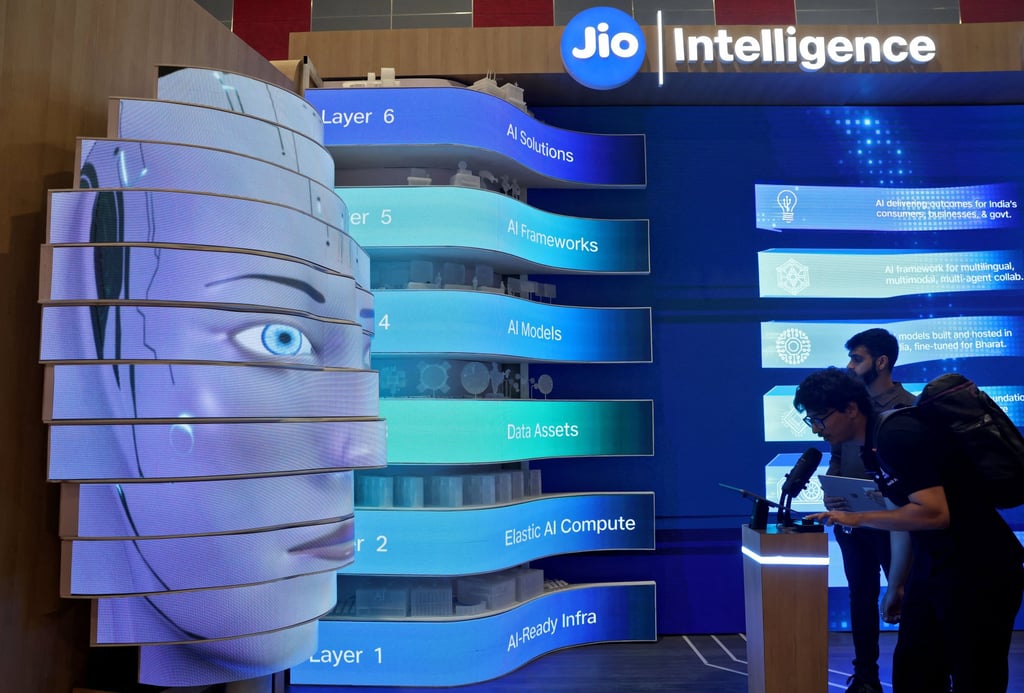
Abhijit Bhaduri, a global talent adviser and former Microsoft executive, said the AI revolution was not a binary competition between the US and China.
“It’s a talent restructuring happening globally. Emerging economies’ advantage isn’t in recreating Silicon Valley or Shenzhen – it’s in building irreplaceable talent ecosystems for their unique problem domains,” he said.
That would mean creating economic value from implementation excellence rather than theoretical innovation.
Emerging economies have historically suffered from a “talent drain to the West” problem and South-South cooperation could reverse this dynamic by creating different career pathways, Bhaduri said.
‘The countries that will thrive aren’t those trying to beat the US and China at their game. They’re those building a different game entirely – one where their talent, their problems, their values and their economic interests are central rather than peripheral,” he said.
Top Headlines
Trending Stories














© 2026 IPPMEDIA.COM. ALL RIGHTS RESERVED