




Speaker: The govt sidelines vital religious tourism sites
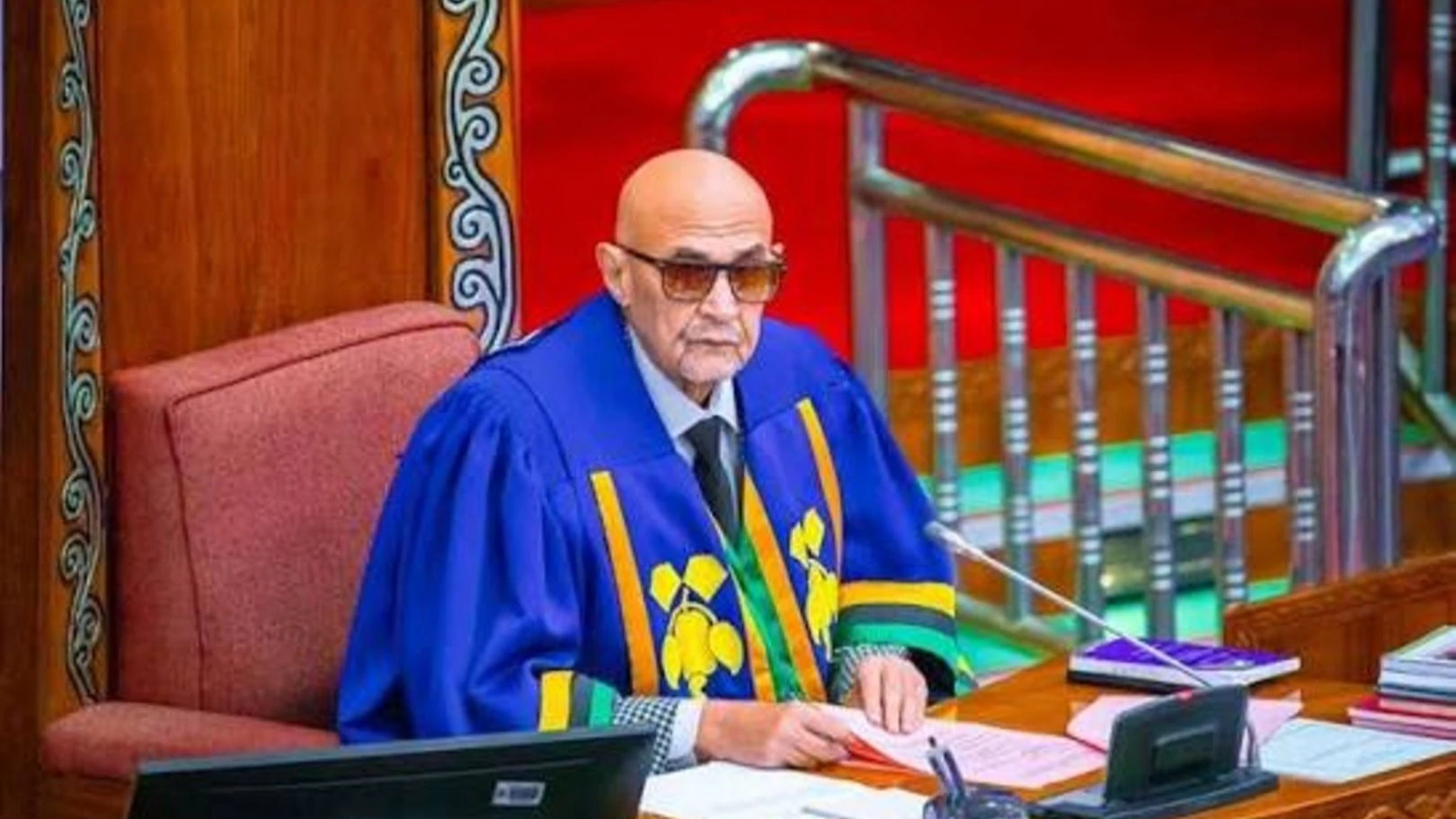
RELIGIOUS tourism needs to be urgently developed given Tanzania’s rich religious history which remains largely untapped as tourism visitations driver, the legislature has affirmed.
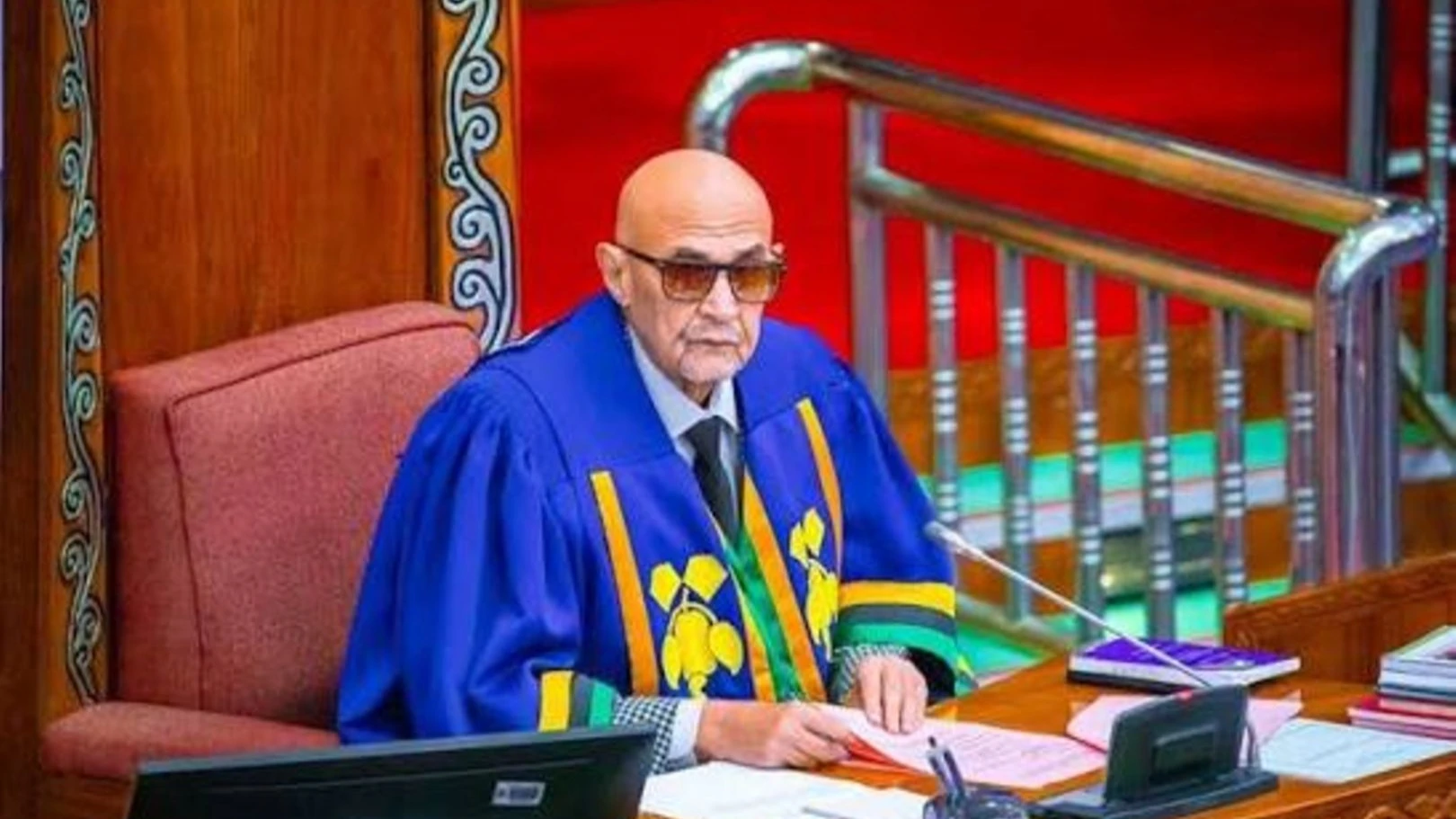
Mussa Azan Zungu, the Speaker of the National Assembly, issued this appeal when contributing to debate on development plans and implementation of Vision 2050 taking up most legislative work this week.
He said the government needs to turn religious sites into major tourist attractions especially for locations tied to the country’s religious heritage, citing places such as Peramiho, Morogoro and Dar es Salaam - where Pope Leo XIV lived and worshipped - alongside the Roman Catholic cathedral in Zanzibar with over 200 years of history.
These sites could draw significant visitor numbers, he said, demanding that religious sites be /turned into tourist attractions. Visitors could see where Pope Leo lived, the church he prayed in, his friends and even the car he used, the top legislator asserted.
Egypt attracts 19m tourists annually via religious tourism, a feat Tanzania could emulate, he said, pointing at Kilwa’s historical sites and Zanzibar’s religious landmarks, which with proper promotions could become significant tourist draws, he emphasized.
If the tourism authorities invest in this sector, Tanzania could attract over four million tourists each year, he said, further appealing for taking up the issues now. “There is no ‘nation of the youth’ tomorrow; the nation of tomorrow is built today. We must change, move forward and leave behind outdated thinking, political strife and personal interests,” the parliamentary leader intoned.
Countries such as Israel had developed religious tourism to generate revenue and boost infrastructure and economic growth, while there are local areas of Islamic history, including Kilwa and Zanzibar, hold enormous potential if relevant ministries develop robust strategies, he stated.
There is no sin in investing in religious tourism, he said, demanding that the relevant ministers act proactively with innovative approaches, encouraging MPs to prioritise major economic issues over minor matters such as toilet facilities.
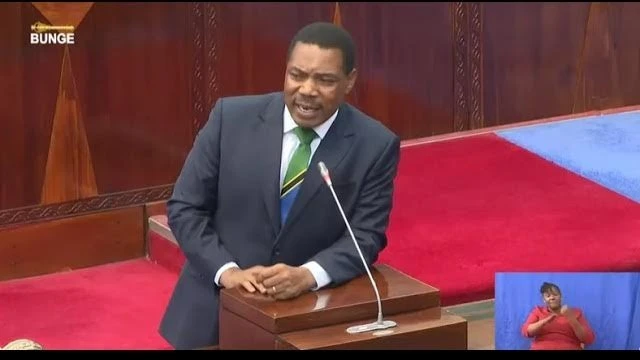
Prof. Kitila Mkumbo, the Planning and Investment state minister in the President’s Office, said in his response to MPs that implementing long-term development plans requires a “business unusual” approach.
The government intends to accelerate economic growth by investing in revenue-generating sectors, including commercial agriculture, industry, trade and services, while shifting from strict regulation to enabling the private sector.
Success depends on empowering local governments with authority, resources and capacity to manage development projects that directly affect citizens, he said, stressing on the need to move agriculture from subsistence to commercial production.
Prime Minister Dr, Mwigulu Nchema said in closing the session that peace, security and stability is the responsibility of all Tanzanians, warning against actions like the misuse of social media that could threaten peace and harmony.
The government cannot rely solely on public funds to finance development projects so the private sector needs to be brought in as a key partner as the government has created an enabling environment for public–private partnerships, he said.
The Ministry of Finance is coordinating and approving projects that meet partnership criteria, thus senior government officials need to prioritise this approach and cooperate with capable private sector actors in delivering development projects through partnerships, he added.
Top Headlines
Trending Stories





© 2026 IPPMEDIA.COM. ALL RIGHTS RESERVED