




FGM haunts 4.5m girls this year as ‘zero tolerance’ funds dry up
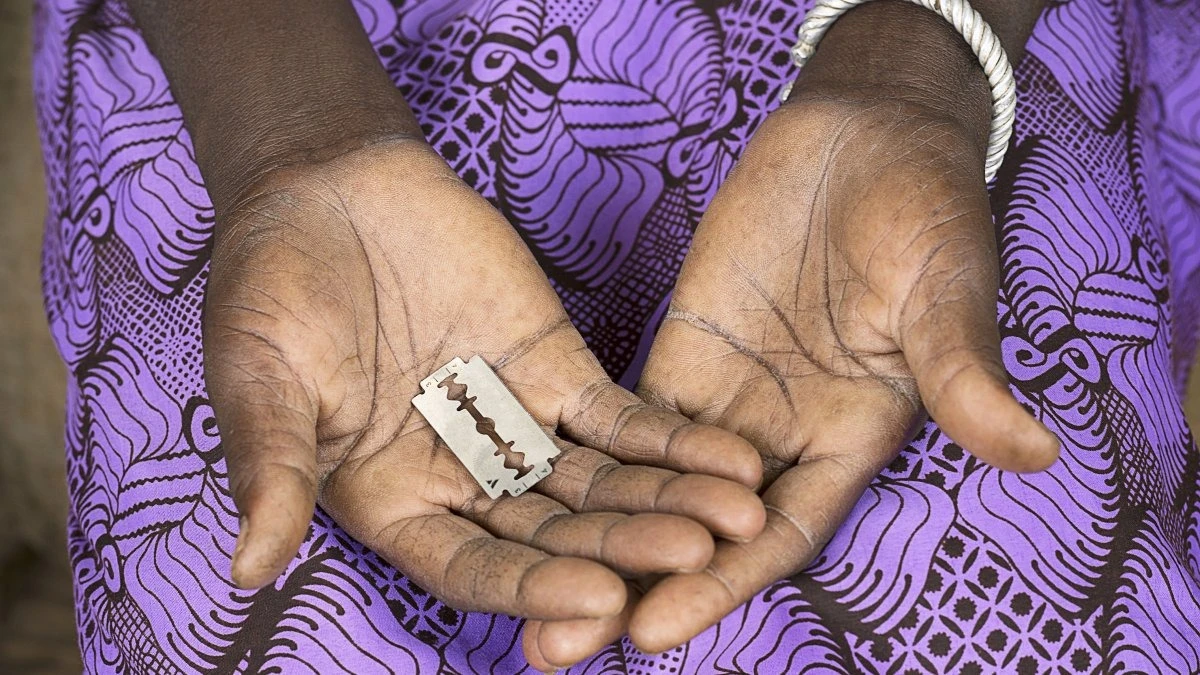
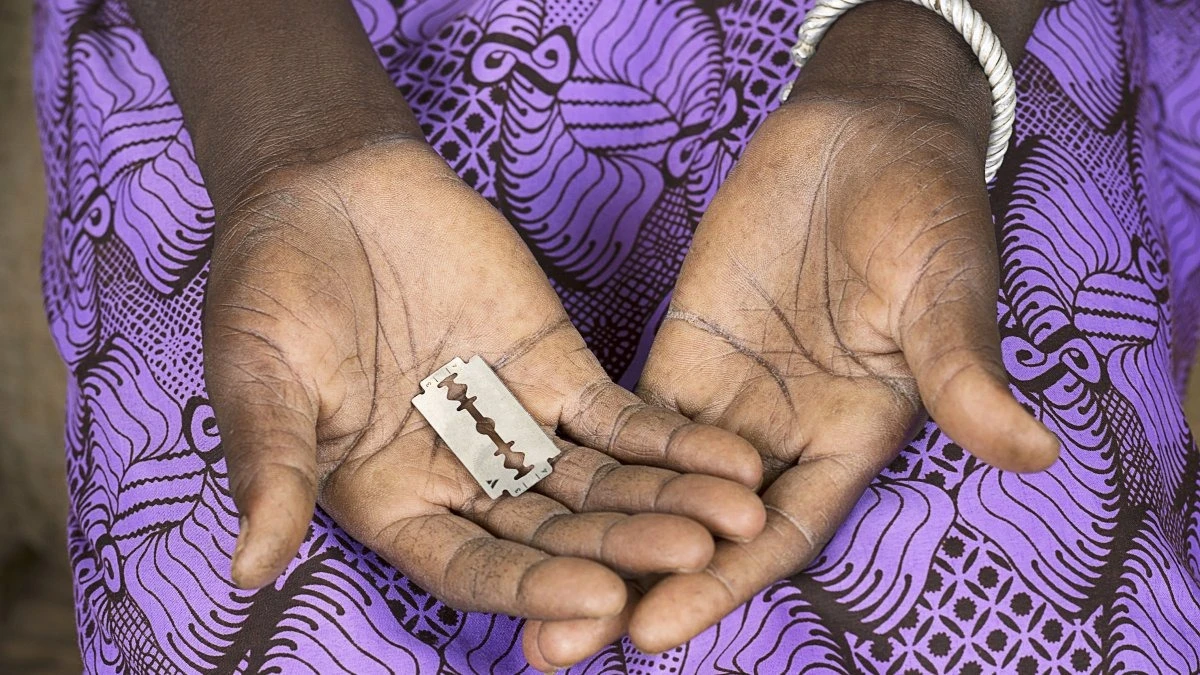
WHILE the United Nations system is increasingly short of funds to conduct anti-FGM campaigns, more than 4.5m girls worldwide, many of them under the age of five, remain at risk of undergoing girls’ circumcision commonly known as female genital mutilation (FGM) this year.
A joint statement of several United Nations agencies issued this alert on Thursday to mark the International Day of Zero Tolerance for Female Genital Mutilation, heads of six UN agencies warned that gains achieved over decades are now under threat due to declining international funding and growing resistance to anti-FGM efforts.
The statement, signed by executive directors of the United Nations Population Fund (UNFPA), United Nations Children's Fund (UNICEF) and UN Women, alongside the UN High Commissioner for Human Rights, the World Health Organisation (WHO) director-general and his United Nations Educational, Scientific and Cultural Organisation (UNESCO) counterpart called for renewed political commitment and sustained investment to eliminate the practice by the 2030 global deadline framework.
Describing FGM as a grave violation of human rights that has no justification under any cultural, religious or social pretext, it said that the practice compromises girls’ and women’s physical and mental health and can lead to serious, lifelong complications.
Treatment costs linked to FGM-related complications are estimated at $1.4bn annually, they said, noting that despite steady progress, the practice remains widespread, with an estimated 230m girls and women “living with the consequences of FGM worldwide.”
The UN leaders acknowledged that interventions over the past 30 years have delivered measurable results, with nearly two-thirds of people in countries where FGM is prevalent now supporting its elimination.
The proportion of girls subjected to the practice has fallen from one in two in 1990 to one in three today, with half of all progress made since 1990 occurring during the past decade, it said, pointing at an acceleration that needs to be urgently sustained to meet the sustainable development goal (SDG) target of ending FGM by 2030.
Proven strategies for eliminating the practice include community-led education, engagement with religious and traditional leaders, parental involvement and the mobilisation of health workers, youth networks and grassroots organisations, it said.
“Every dollar invested in ending female genital mutilation yields a tenfold return,” the UN chiefs affirmed, underlining that an investment of $2.8bn could prevent 20m cases, generating returns valued at $28bn.
Anti-FGM progress is increasingly threatened by funding cuts to health, education and child protection programmes, particularly in low- and middle-income countries where FGM remains entrenched, they said.
They raised alarm over a growing pushback against elimination efforts, including attempts to legitimise the practice when performed by medical professionals — a trend they described as “dangerous and fundamentally incompatible with human rights and medical ethics.”
Without predictable and adequate financing community outreach programmes could be scaled back, frontline services weakened and hard-won gains reversed — placing millions more girls at risk at a critical moment, it asserted.
“As we approach 2030, the cost of inaction will be measured not only in lost progress, but in the lives and futures of millions of girls,” they cautioned, reaffirming their commitment to working with governments, civil society, survivors and private sector partners to end female genital mutilation once and for all
FGM elimination remains achievable and urgent, the statement added.
Top Headlines
Trending Stories









© 2026 IPPMEDIA.COM. ALL RIGHTS RESERVED