




Major urban centres hold 34pc of GDP, Dar hands 70pc of revenues
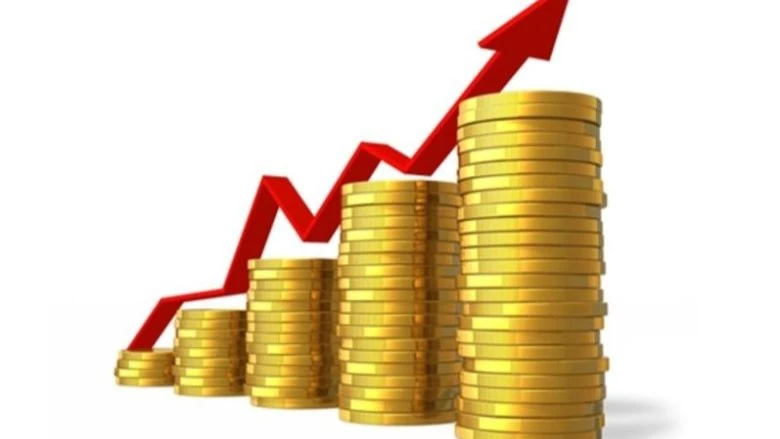
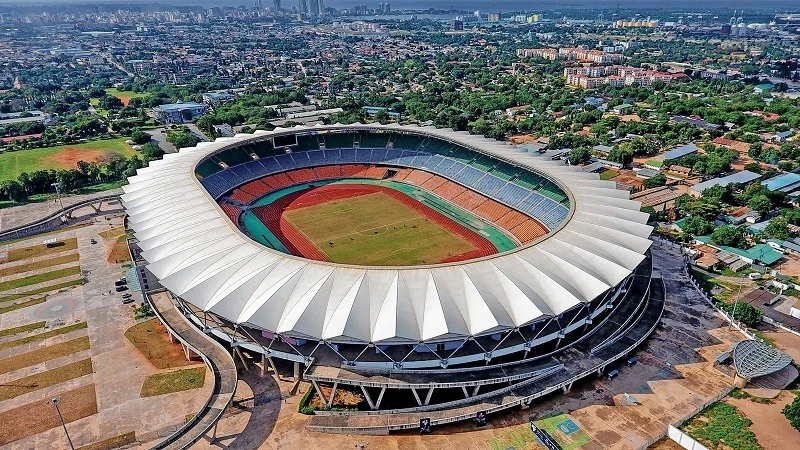
FIVE major economic hubs — Dar es Salaam, Mwanza, Arusha, Mbeya and Dodoma — contributed about 30 to 34 per cent of the gross domestic product in 2025, while Dar es Salaam alone accounted for around 70 per cent of total tax collections, a new study shows.
The research conducted by the Tanzania Investment and Consultant Group Ltd (TICGL) and co-disseminated by REPOA, an economic research unit, examines money circulation patterns, regional production trends and tax performance to assess how closely Tanzania’s tax system aligns with actual economic activity.
Participants dwelt on implicitly disproportionately high concentration of revenue capture in the commercial capital, while the study also highlighted the persistent challenge of the informal economy.
In 2025, an estimated 45 percent of total GDP — about 105.7trn/- — was generated informally, translating into an estimated annual tax leakage of 14.1trn/- or nearly 45 percent of total tax collections, the study noted.
Despite an ongoing digital shift, only 5.0 to 7.0 percent of informal transactions are currently captured within the tax system, it asserts, noting that mobile money transactions reached 223.4trn/- in 2025 — almost 95 per cent of annual GDP — underscoring the scale of digital financial activity.
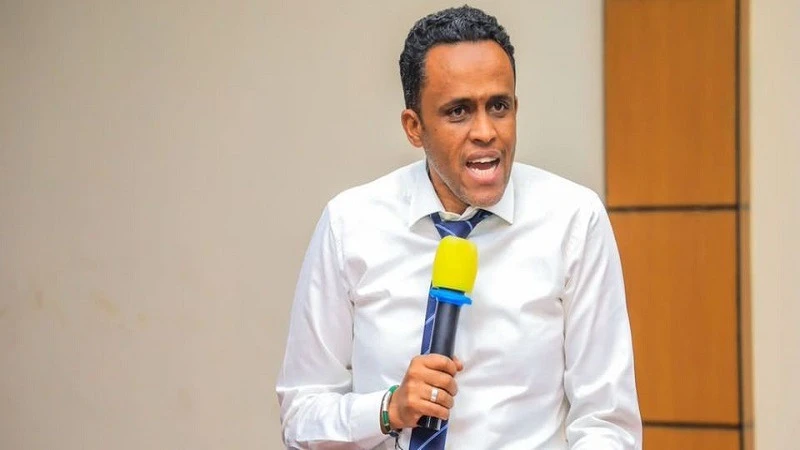
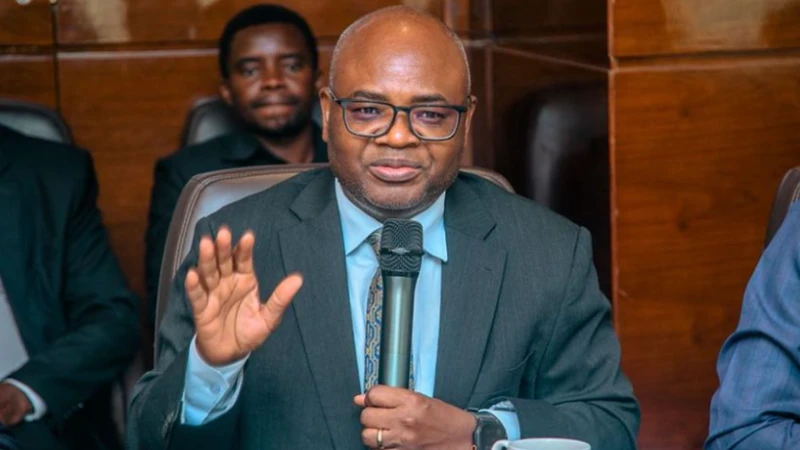
Yet only a small portion of these flows is effectively integrated into tax administration frameworks, they said, with Jamal Msami, principal researcher at REPOA, underlining the importance of “sustained reforms in tax administration to enhance fairness, efficiency and compliance.”
Maintaining the pace of reforms is key to improve tax management, he said, suggesting the need for studies “on how best we can manage our taxes hence improve its contribution to GDP.”
Participants at the workshop agreed that better alignment between taxation and actual money circulation — across regions and within the digital economy — will be essential if Tanzania is to broaden the tax base, reduce regional imbalances and secure sustainable financing for long-term development goals.
Ahmed Amani, another researcher, said Tanzania must aim to raise its tax-to-GDP ratio beyond the current 13 per cent, citing the cases of Namibia and Mozambique as examples of economies that have achieved stronger revenue performance through reforms.
With about 70 per cent of GDP generated outside Dar es Salaam, roughly the same share of all tax revenue — about 21.9trn/- — is collected in the commercial capital, on the basis of the findings.
The mismatch points to a potential annual tax gap of more than 20trn/- in other regions and raises fresh concerns about whether taxation truly reflects where real economic activity takes place, the seminar noted.
The findings were presented at a half-day workshop on contemporary tax research in Tanzania that brought together policymakers, researchers and development partners to discuss domestic revenue mobilisation and reform priorities.
Despite the imbalance, Tanzania’s macroeconomic performance remains strong, with nominal GDP rising from 189trn/- in 2021 to 235trn/- in 2025, while real GDP growth reached 6.0 per cent. Over the same period, the tax-to-GDP ratio improved from 11.5 per cent to 13.3 per cent, it stated.
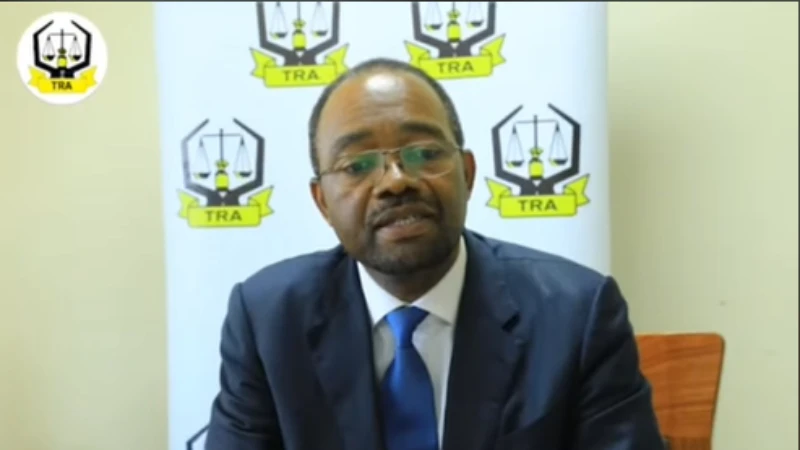
The researchers argued that these encouraging figures mask structural weaknesses in tax administration, whereAmran Bhuzohera of TICGL said the country’s tax system remains highly centralised due to headquarters-based business registration and reporting systems.
“Our analysis reveals a critical imbalance: taxation is not occurring where money actually circulates. Although 70 per cent of national GDP is generated outside Dar es Salaam, roughly 70 per cent of all tax revenue — around 21.9trn/- — is collected in the city, leaving other regions with an annual tax shortfall exceeding 20trn/- ,” the key researcher intoned.
As a result, revenues generated from mining in Mwanza and Shinyanga, agriculture in Mbeya, tourism in Arusha and trade in secondary cities are often recorded and taxed in Dar es Salaam rather than in the regions where the economic activity actually occurs, he added.
Top Headlines
Trending Stories








© 2026 IPPMEDIA.COM. ALL RIGHTS RESERVED