




AI-powered TRA drones set to combat smuggling
THE Tanzania Revenue Authority (TRA) has embarked on an initiative to train its officers to deploy drone technology in the fight against smuggling along the country’s borders, marking a major technological shift in customs enforcement.
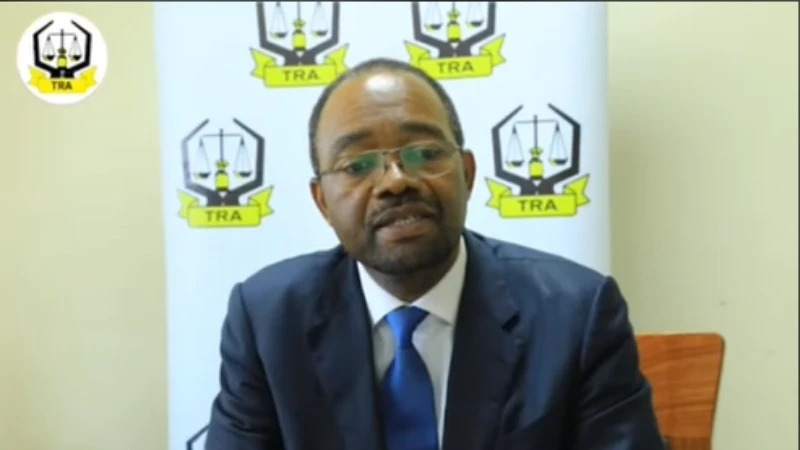
Felix Tinkasimile, the TRA deputy commissioner for customs enforcement and monitoring made this observation at an ongoing month-long training programme in Dar es Salaam for Customs and Excise Department officers at the Tanzania Civil Aviation Authority (TCAA) training college, working with the TRA.
He said that TRA is investing in modern drones equipped with artificial intelligence (AI) systems capable of long-range operations, real-time event recording and advanced risk analysis.
“This technology will enable surveillance of high-risk areas that are difficult to access promptly and help detect unusual patterns along transport corridors,” he stated, explaining that the department has been instructed to strengthen anti-smuggling operations and safeguard government revenue by embracing modern technology.
The move forms part of broader institutional reforms aimed at transforming TRA into a modern, innovation-driven agency capable of effectively managing international trade, as the AI-enabled drones preserve digital evidence that can be used in legal and investigative proceedings, he specified.
Drone surveillance is expected to enhance officer safety during field operations, reduce the cost of routine patrols and monitoring, improve transparency and operational efficiency, he said, noting that setting up a dedicated drone unit is central to intensifying the fight against smuggling using modern and highly efficient methods.
The TRA commissioner general was championing technological transformation in its work, he said, while revenue control officer Subira Mpendekelaki said the training would strengthen security in the Customs Department and protect citizens’ health from harmful smuggled goods.
Mweya Didacus, the head of training at the TCAA College, said the programme complies with international aviation standards, combining classroom instructions and practical fieldwork.
He warned that improper drone use poses serious aviation risks.
“If a drone enters an aircraft engine, it can cause severe damage, including engine failure, fires or fatal accidents,” he alerted the trainees, affirming that Tanzania’s 2018 aviation regulations comprehensively govern drone operations.
Operators must undergo certified training and obtain a license issued by the relevant aviation authority before flying drones, he said, noting that the courses were introduced following incidents linked to uncontrolled drone use.
Since 2021, the TCAA College has conducted 26 drone training courses under the programme, to ensure that drone operators do not cause harm that could cost lives, he stated, while Saidi Bakari Tindi from the Zanzibar anti-smuggling init said the training has broadened officers’ understanding.
“We have learned that operating a drone is not just about flying it sd there are strict laws and procedures that must be followed,” he added.
Top Headlines
Trending Stories














© 2026 IPPMEDIA.COM. ALL RIGHTS RESERVED