




Understanding leprosy: Its causes, cure and the need to end stigma
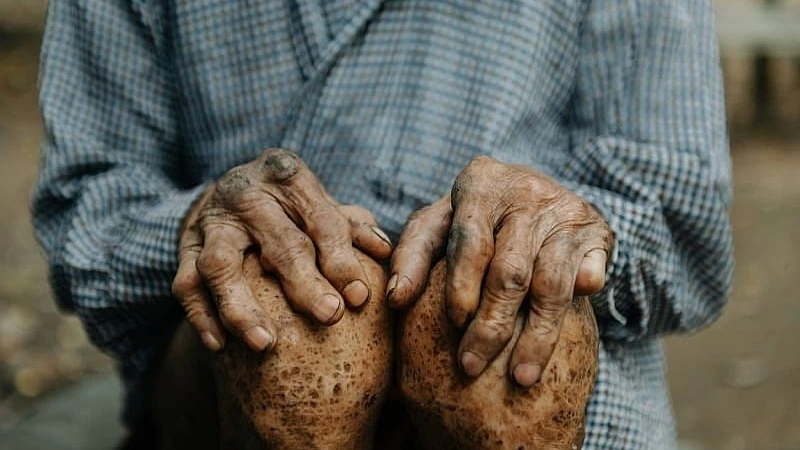
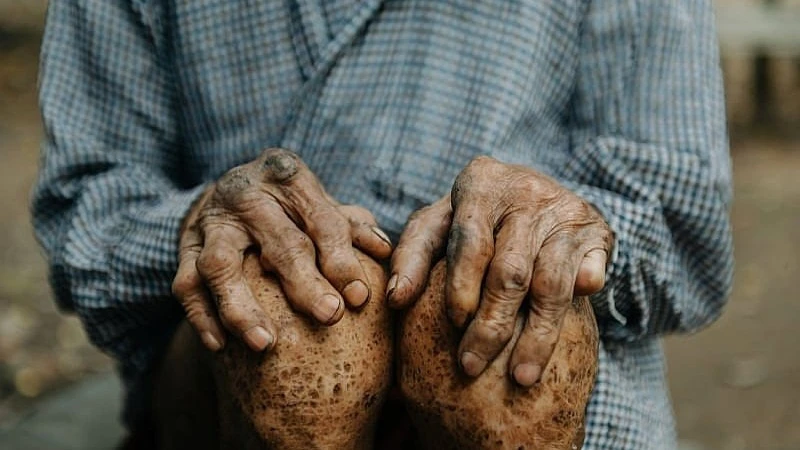
LEPROSY is a disease that affects the skin and peripheral nerves and is caused by bacterial microorganisms, health experts explain. The disease is still considered a major global challenge, despite having been identified approximately 2,000 years ago.
In 2000, the World Health Organization (WHO) recognized leprosy as a major public health problem, noting that new cases are estimated at no fewer than 200,000 each year.
WHO identifies the most affected regions as Africa, including Tanzania, South America, and Southeast Asia.
Major challenges include delayed diagnosis, poverty, stigma affecting patients and leading to disability, mental health problems, and persistent misconceptions about treatment, which remain significant barriers.
Despite these challenges, WHO states that leprosy (Hansen’s disease) is a chronic infectious disease that is curable, and that early treatment can prevent disability.
According to WHO, leprosy is one of the Neglected Tropical Diseases (NTDs), still occurring in more than 120 countries. The elimination threshold is defined as one case per 10,000 people, as per the World Health Assembly resolution. Additionally, 56 countries have reported zero cases, while 112 countries have reported fewer than 1,000 cases.
The Guardian conducted an interview with a specialist doctor—Elias Mayala, a Dermatology Specialist from Muhimbili National Hospital (MNH)–Mloganzila and a Mental Health Specialist from Muhimbili National Hospital (MNH), Dr Saidi Kuganda on its causes, treatment and the need for communities to end stigma. Here are excerpts
What is leprosy, and what causes it?
Dr. Elias Mayala: Leprosy is a chronic infectious disease that mainly affects the skin and peripheral nerves. It is caused by bacterial microorganisms. If not diagnosed and treated early, it can lead to long-term complications, including nerve damage and physical disabilities.
What early symptoms should the public be aware of?
Dr E M: Early symptoms of leprosy include the appearance of white or light-colored patches on the skin, reduced sensation or numbness in those patches, and numbness in fingers, hands, or feet. These signs are often painless, which may cause people to ignore them, delaying diagnosis and treatment.
How is leprosy transmitted, and who is most at risk?
Dr E M: Leprosy is transmitted mainly through prolonged close contact, particularly via droplets from the nose or through broken skin. People at higher risk include those with a close family member who previously had leprosy, individuals living in the same household with an untreated patient, people who delay seeking medical care, young children, and those with weakened immune systems.
How is leprosy diagnosed in health facilities or hospitals?
Dr E. M: Diagnosis is made through a clinical assessment conducted by a healthcare professional with specialized training. This includes a physical examination and, in some cases, taking samples from suspected skin lesions for laboratory analysis.
Is leprosy completely curable, and how long does treatment take?
Dr E. M: Yes, leprosy is completely curable. Treatment duration usually ranges from one to two years, depending on the stage and severity of the disease. Early diagnosis significantly improves treatment outcomes and prevents complications.
What happens if a patient does not receive early treatment?
Dr E. M: When treatment is delayed, the disease progresses and increases the risk of transmission to close contacts by eight to ten times. It may also result in irreversible nerve damage, physical deformities, and long-term disability.
Why does fear and stigma toward people with leprosy still exist in society?
Dr E.M: Fear and stigma persist largely due to a lack of education and awareness about the disease. Many people still associate leprosy with myths, misconceptions, and historical fears, despite modern medical advances.
How does stigma affect patients psychologically, socially, and economically?
Dr E.M: Stigma has profound psychological, social, and economic effects. It can affect a patient’s physical appearance, limit their ability to work, restrict participation in social and economic activities, and reduce income. These effects not only harm the individual but also impact families, communities, and the nation as a whole.
How should society treat people with leprosy to support them rather than discriminate against them?
Dr E.M: Society should understand that leprosy is curable like many other diseases, especially when detected early. People affected by leprosy deserve compassion, support, and equal opportunities, not isolation or discrimination.
Is leprosy still a public health problem today, both nationally and globally?
Dr E.M: Yes, leprosy remains a public health concern because cases continue to exist. Infection rates are higher in developing countries compared to developed nations, making ongoing prevention and education efforts essential.
What major challenges hinder efforts to control and eliminate leprosy?
Dr E.M: The main challenges include persistent stigma, limited community awareness, and a shortage of healthcare providers with adequate training and skills to diagnose the disease early.
Which groups are most affected, including children?
Dr E.M: Leprosy affects people of all ages, from children to adults. However, men are generally more affected than women.
How can citizens protect themselves against leprosy?
Dr E.M: The most important preventive measure is early health-seeking behavior. People should visit health facilities as soon as they notice unusual changes in their skin.
Is there a vaccine or specific method to prevent transmission?
Dr E.M: Currently, the Bacillus Calmette–Guérin (BCG) vaccine, which is used against tuberculosis (TB), provides approximately 80 percent protections against leprosy.
What are the government and health stakeholders doing to combat leprosy?
Dr E.M: Research is ongoing to develop a specific vaccine for leprosy. In addition, the government and health stakeholders continue to provide free treatment and encourage patients to seek timely medical care.
What role does the media play in combating leprosy and its stigma?
Dr E.M: The media play a crucial role by providing accurate information and educating the public. Through awareness campaigns, the media help reduce myths, fear, and discrimination associated with leprosy.
What key message would you like to share with the public, especially during World Leprosy Day?
Dr E.M: Anyone who notices signs of leprosy should seek medical care early. Early diagnosis and treatment can completely cure the disease and prevent disability.
The mental health impact of leprosy-related stigma
Dr Saidi Kuganda, a Mental Health Specialist from Muhimbili National Hospital (MNH) also highlights the psychological impact of stigma on people living with leprosy.
What impact does stigma have on people with leprosy?
Dr Saidi Kuganda: Stigma remains a major challenge in many communities in Tanzania, even though leprosy is curable. It negatively affects physical health, social relationships, economic stability, and mental well-being.
Do patients experience mental health challenges as a result?
Dr S.K: Yes. Many patients experience stress, severe depression, anxiety, low self-esteem, and fear of being seen or identified publicly. In extreme cases, stigma and discrimination can lead some individuals to think about or attempt suicide.
Top Headlines
Trending Stories






















© 2026 IPPMEDIA.COM. ALL RIGHTS RESERVED