




Budget framework signals confidence amid pressures
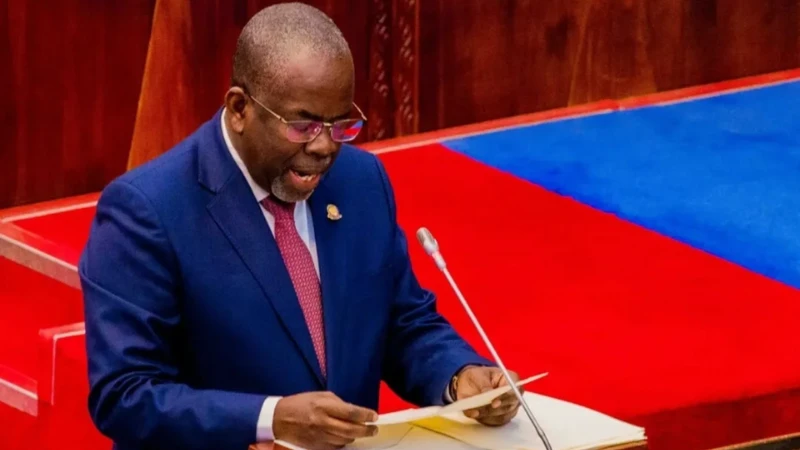
THE government has unveiled an ambitious but measured economic roadmap for the next three years, signalling confidence in growth, currency stability and debt sustainability even as global uncertainty and eroded donor support puts pressure on public finances.
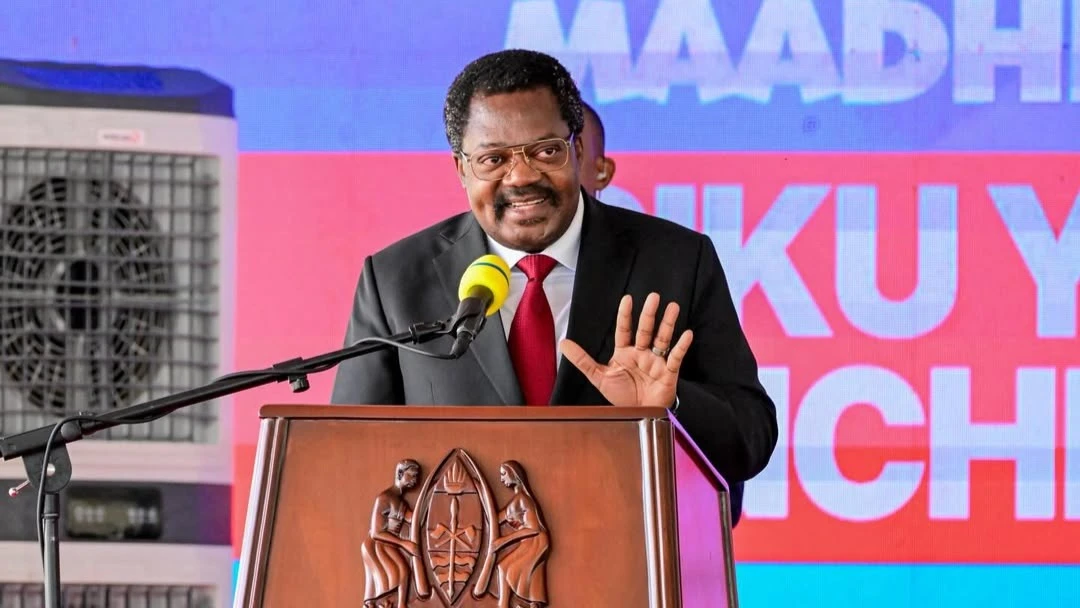
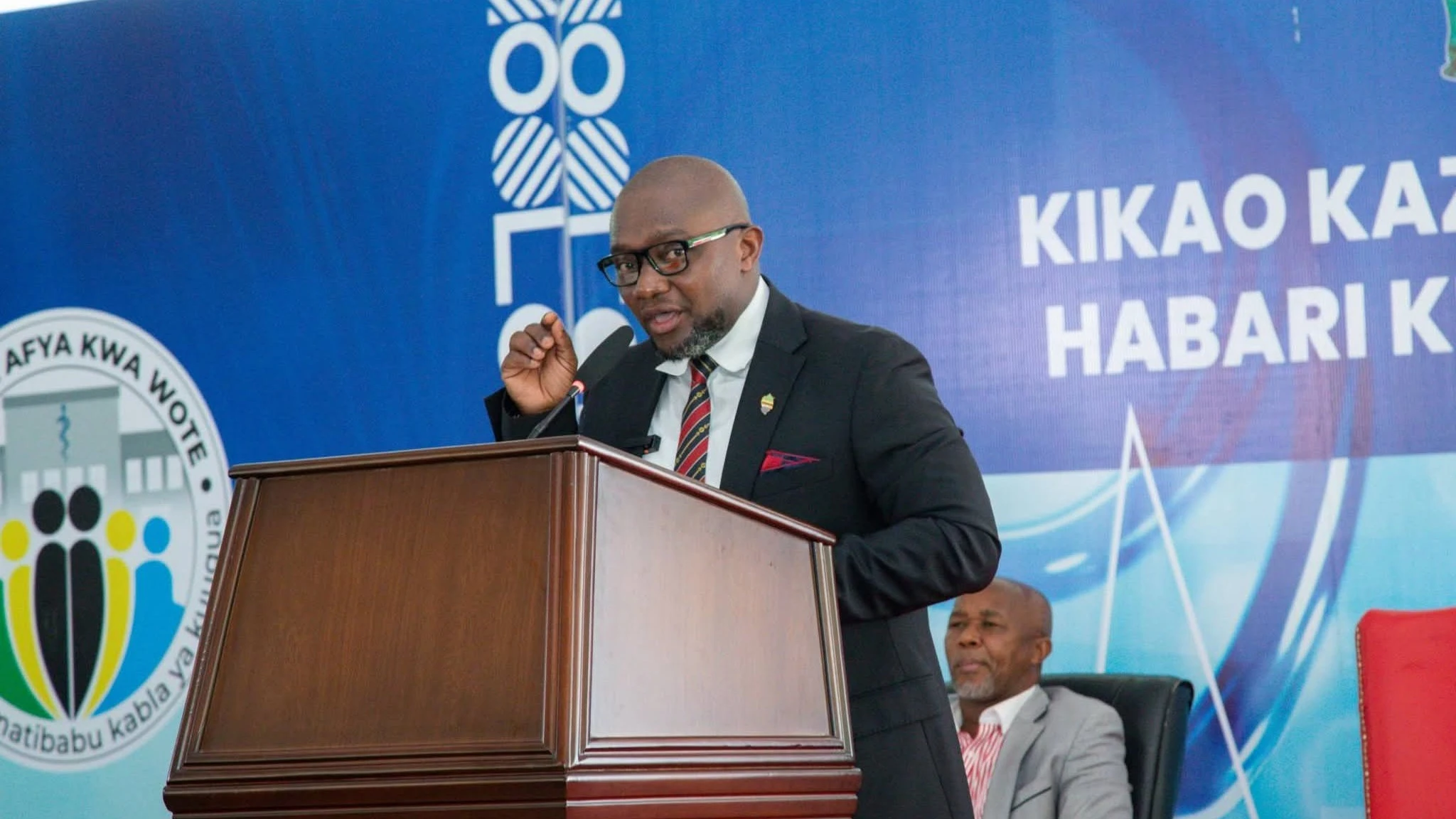
Khamis Mussa Omar, the Finance minister, made this observation when presenting the medium-term budget framework for 2026/27–2028/29 in the National Assembly yesterday, affirming that the economy remains resilient with growth projected to rise to 6.3 percent in 2026 and average 6.9 percent over the medium term.
The budget framework, the first prepared under Vision 2050 long term development perspective, is intended to anchor national development planning on predictable fiscal policy, stronger domestic revenue mobilisation and tighter control of public spending, he said.
The guidelines are intended to provide credibility, stability and clear direction to government planning and budgeting, so MPs need to scrutinise and strengthen the framework before its adoption, he said.
The government’s upbeat outlook comes against a backdrop of tightening external support, with recent decisions by some development partners to delay or suspend elements of budget support hang over the medium-term horizon, increasing pressure on domestic revenue collection, he said.
Despite this, Tanzania is well positioned to absorb the shock, with inflation remaining within target at 3.4 percent, the local currency appreciating by 8.1 percent against the US dollar, and private sector credit growing by 18.1 percent during the past year, pointing to sustained economic activity, he explained.
The macroeconomic fundamentals are strong with rising exports, improved tourism earnings and a healthier banking sector, while the public debt stood at 109.01trn/- by November 2025, up by 8.6 percent from a year earlier, he said.
Borrowing remains within safe limits, supported by an October 2025 debt sustainability assessment that concluded Tanzania’s debt is sustainable in the short, medium and long term, he asserted.
Most new borrowing will be directed at infrastructure in transport, energy and water—sectors viewed as critical to long-term productivity and private-sector-led growth.
Under the medium-term framework, the government announced plans to borrow an average of 15.4trn/- annually over the medium term (2026/27–2028/29) from domestic and external sources to finance budget implementation and national development projects.
Over the medium term, expenditures are projected to average 59.2trn/-, reflecting a budgetary growth rate of 9.7 percent, he said, elaborating that for the 2026/27 financial year, excluding debt principal payments, government spending is expected to reach 54trn/-, representing a 10.9 per cent increase from the 2025/26 budget estimates.
The government expects to implement projects and programmes that deliver tangible results while laying a solid foundation for economic transformation, integrating development project execution with national planning.
This will facilitate optimising public resources, strengthening budget monitoring and ensuring transparency and value for every shilling spent, he affirmed.
The 2026/27 budget is projected at 61.9trn/- with total revenues—including foreign aid—expected to reach 52.48trn/-, marking a 12.1 percent growth. Tax revenues are estimated at 36.8trn/-, with non-tax revenues contributing 9.2trn/-, he said.
The increase in revenue is expected to be underpinned by broad-based economic growth and government strategies such as adopting digital systems for collection and payments, tightening tax exemptions, formalising informal activities and improving the wider investment climate. These measures are intended to expand revenue sources effectively he said.
Priority expenditure areas include funding flagship and strategic projects, servicing the public debt, paying public-sector salaries, settling arrears and providing social services, he said.
During the medium term, Tanzania will begin implementing priorities outlined in the fourth five-year national development plan (2026/27–2030/31), focusing on a resilient, inclusive and competitive economy, alongside human capital development, community welfare, environmental conservation and climate resilience.
The government anticipates collecting and spending 204.08trn/- over the medium term, averaging 68.02trn/- annually, with GDP growth projected to rise from 5.9 percent in 2025 to 6.3 per cent in 2026, averaging 6.9 per cent during the medium term, the minister asserted.
Implementation of the 2025/26 budget framework and medium-term plan could be affected by changes in donor policies, like the European Union’s decision to suspend new aid agreements estimated at euro 156m (445.75bn/-) and Sweden’s suspension of 119,552,997 kroner (31bn.-) for education, reducing aid inflows.
To mitigate potential shortfalls, the government plans to strengthen domestic revenue collection and prioritise essential expenditures like salaries, debt repayment and social services, he added.
Top Headlines
Trending Stories




© 2026 IPPMEDIA.COM. ALL RIGHTS RESERVED