




IUCN, UNEP team up on water management initiative in Africa
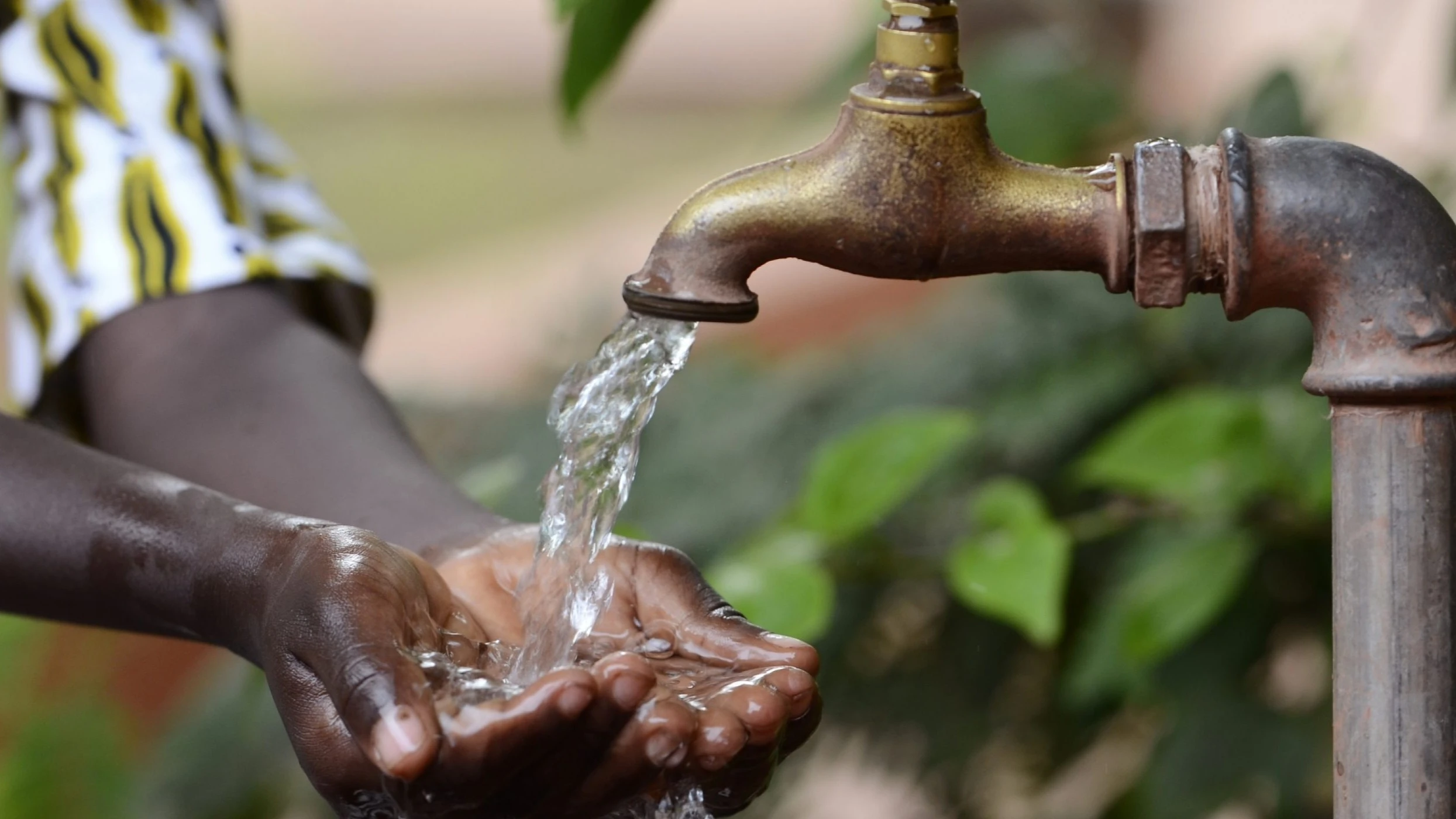
A new multinational programme aimed at strengthening climate-resilient water management across Eastern Africa has been launched amid growing concern that climate change, population pressure and weak cross-border governance are placing shared water resources under severe strain.
The initiative, known as the Climate Resilient Eastern African Transboundary Water Management for Environmental Sustainability (CREATES) programme, brings together the International Union for Conservation of Nature (IUCN), the United Nations Environment Programme (UNEP) and the UNEP-DHI Centre, in partnership with the governments of Kenya, Tanzania and Uganda.
For Tanzania, the programme is expected to play a strategic role in safeguarding shared river basins that are critical to livelihoods, food security and biodiversity, particularly in the Mara River Basin, which it shares with Kenya. The basin supports millions of people, sustains agriculture and underpins tourism ecosystems, yet faces mounting pressure from erratic rainfall, rising water demand and environmental degradation.
CREATES is designed as a multi-year intervention that seeks to strengthen climate resilience, water security, regional cooperation and sustainable development by improving how countries jointly manage rivers and aquifers that cross national borders. According to IUCN, the programme responds to the growing reality that climate shocks are increasingly regional in nature, requiring coordinated solutions rather than isolated national responses.
The programme has secured financial backing from the Government of Denmark, contributing to the EU Team Europe Initiative on Transboundary Water Management (TEI-TWM). IUCN said the support aligns with broader continental and regional efforts to manage shared water resources in ways that promote long-term stability, environmental sustainability and peace.
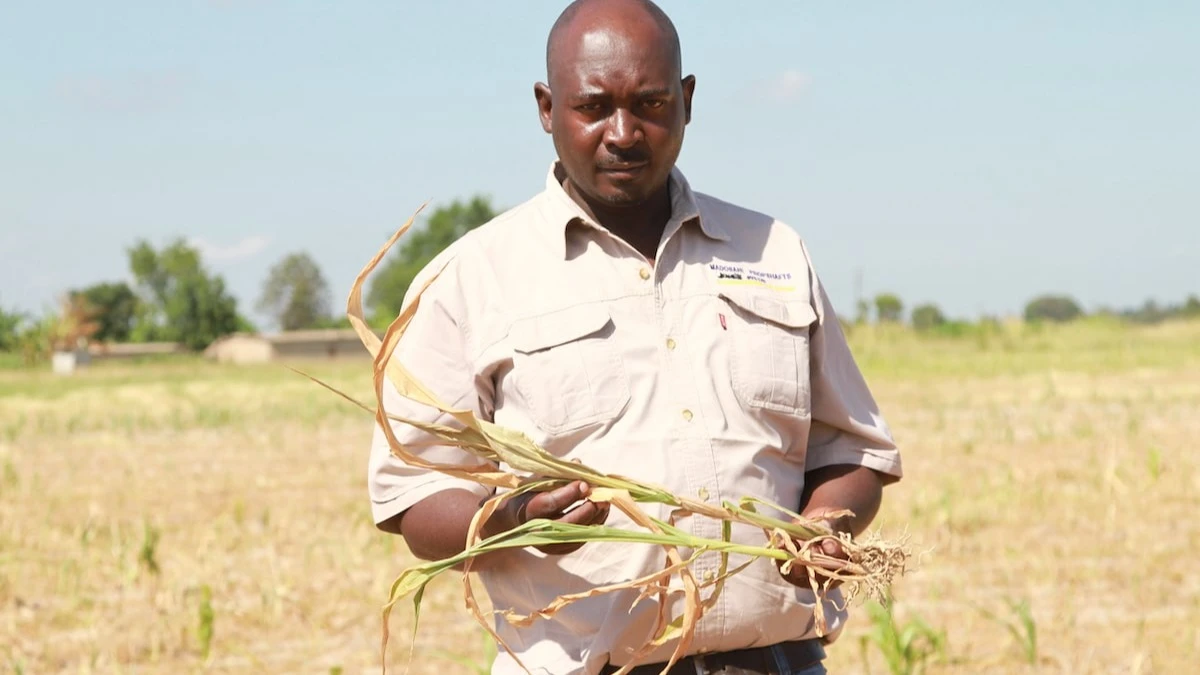
Water experts warn that Eastern Africa is entering a period of heightened vulnerability, with climate change intensifying droughts and floods while population growth and economic expansion place additional stress on already fragile water systems. Without effective transboundary governance, such pressures risk triggering competition, environmental degradation and social instability.
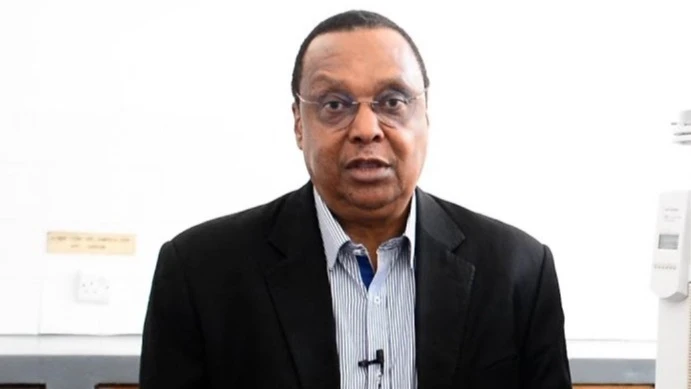
Uganda’s Commissioner for Water Resources Planning and Regulation at the Ministry of Water and Environment, Dr Callist Tindimugaya, welcomed the initiative, describing it as timely and critical for the region.
“As one of the main beneficiaries of CREATES, the programme will be instrumental in helping us improve our transboundary water management, build resilience to climate change and ensure tangible benefits for local communities,” he said.
The programme will initially concentrate on two priority basins: the Mara Basin, shared by Kenya and Tanzania, and the Sio-Malaba-Malakisi Basin, shared by Kenya and Uganda. Both basins have been identified as climate-sensitive hotspots facing rising water demand, ecological stress and gaps in cross-border coordination.
According to IUCN, the Mara Basin is particularly vulnerable due to its ecological importance and socio-economic significance, supporting pastoralists, farmers, wildlife and downstream users. Changes in land use, declining water quality and climate variability have increased the urgency for joint management frameworks.
CREATES officially entered its six-month inception phase following a meeting held in January at the IUCN Eastern and Southern Africa Regional Office in Nairobi.
During this phase, the programme will establish governance structures, engage national and local partners, and refine implementation plans to ensure alignment with basin-level priorities.
“During the inception phase, CREATES will focus on building strong institutional arrangements and ensuring that interventions are driven by the needs and realities of the river basins themselves,” IUCN said in a statement.
Over time, the programme is expected to contribute to stronger water institutions, improved data sharing, enhanced cooperation between riparian states and more sustainable management of shared water resources.
Top Headlines
Trending Stories






© 2026 IPPMEDIA.COM. ALL RIGHTS RESERVED