




‘Coordinated action key to tackling poverty, informal settlements’
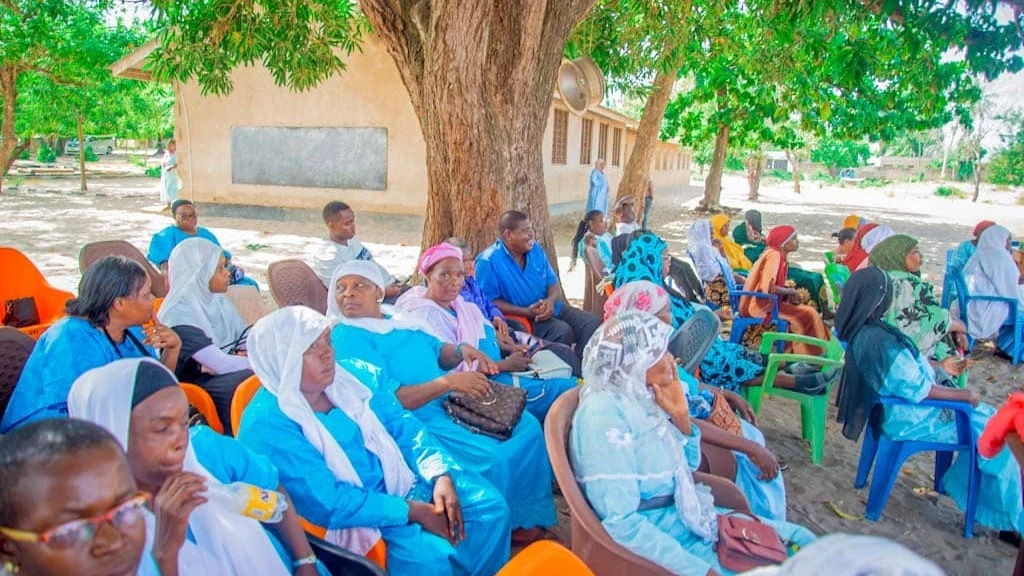
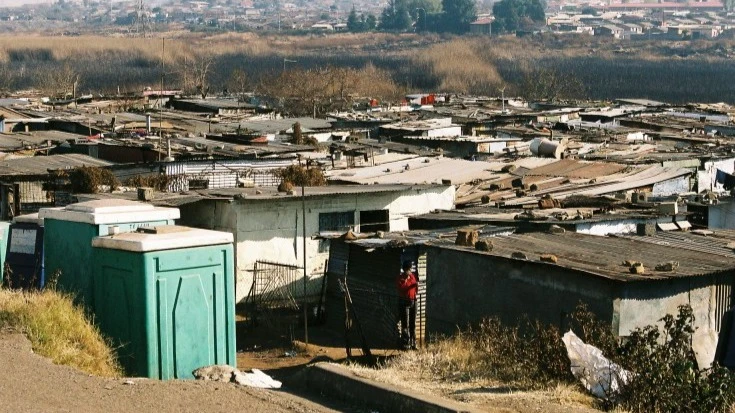
Tackling the rapid growth of informal settlements in Dar es Salaam Region requires deliberate, coordinated action across government institutions, civil society organisations and community-based networks working at the grassroots level, stakeholders have said.
As Tanzania’s commercial capital continues to expand at an unprecedented pace, pressure on land, housing and basic services is intensifying, exposing deep inequalities in urban development.
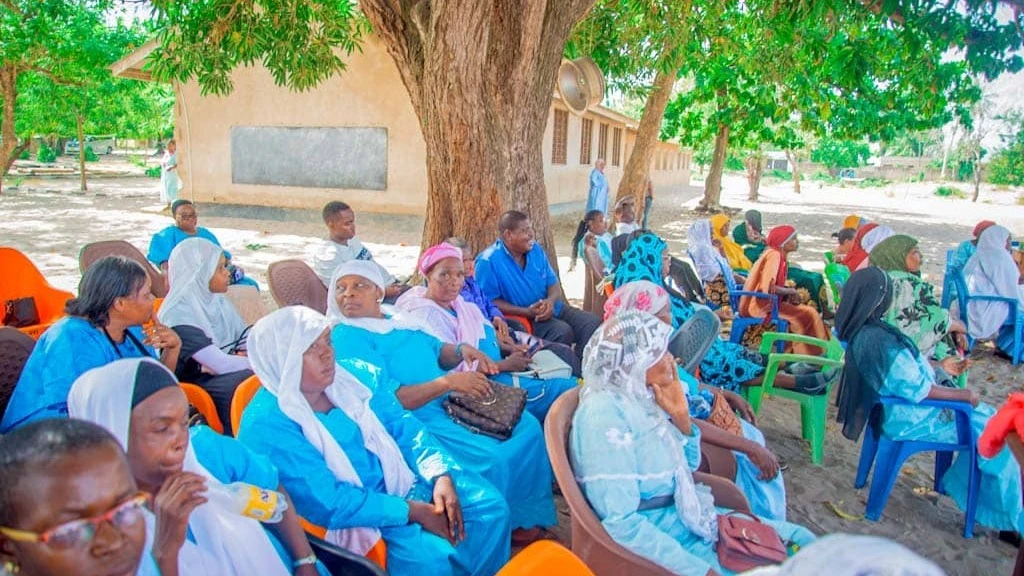
In response to the mounting challenges, members of the Tanzania Urban Poor Federation (TUPF) recently convened in Dar es Salaam for their annual meeting aimed at reviewing progress, strengthening partnerships and identifying practical solutions to improve living conditions in informal settlements. The forum brought together federation leaders, municipal officials, development practitioners and programme managers in a structured dialogue focused on accountability and collective planning.
Supported by the Centre for Community Initiative (CCI), the gathering provided a critical platform for reflection, learning and the exchange of ideas. Participants assessed ongoing community-led projects, examined policy gaps and explored ways to align grassroots initiatives with broader municipal and national development priorities.
The discussions underscored the complex and interconnected challenges facing residents of informal settlements, including insecure land tenure, overcrowding, inadequate drainage systems and limited access to essential services such as clean water, sanitation, electricity and healthcare. These pressures are compounded by rapid rural-to-urban migration and limited availability of affordable formal housing.
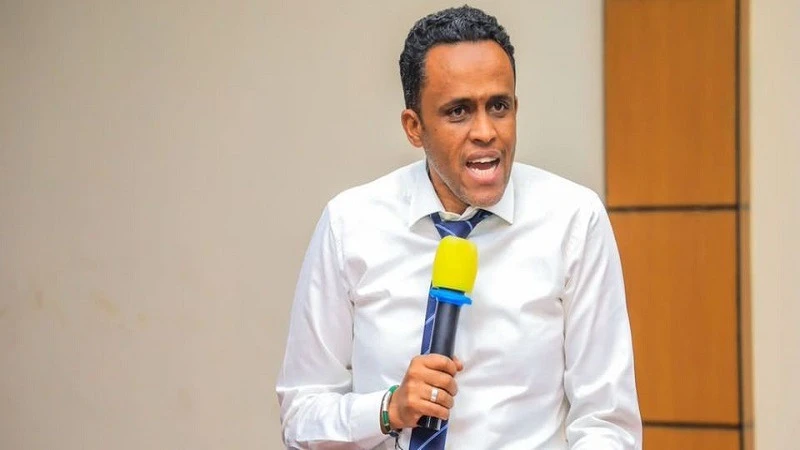
According to Husna Shechonge, National Coordinator of TUPF, the annual meeting serves not only as a forum to highlight these persistent difficulties but also as a space to develop innovative, community-driven strategies.
“Urban poor communities in Dar es Salaam face multiple, interconnected problems that affect daily survival and long-term development. Our annual meeting enables members to come together, learn from one another and collectively plan how to improve living conditions and expand economic opportunities,” Shechonge said.
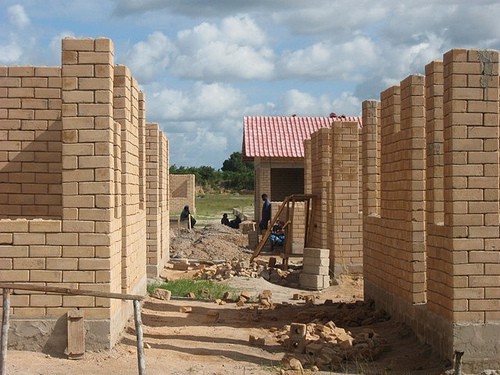
According to her, through the federation with support from CCI, a good number of residents living in unplanned settlements have changed greatly in terms of financial lietercy and com,municy engagement.
“Many of them engage in little savings that help them address various social challenges as well secure land and construct houses with others improving where they reside,” she noted.
Eddah Gweba, Community Development Officer at Kigamboni Municipal Council, observed that residents of informal settlements face persistent vulnerabilities requiring both immediate interventions and long-term structural reforms.
“Many communities live in environments that expose them to health risks and economic marginalisation. Through collaboration with TUPF, we are identifying practical solutions — from vocational skills training and micro-enterprise development to community-led infrastructure improvements — that can gradually transform informal settlements into resilient and sustainable neighbourhoods,” Gweba explained.
Frequent flooding, poor drainage systems and inadequate waste management continue to threaten public health and economic productivity. Officials stressed that environmental degradation not only worsens living conditions but also entrenches poverty by increasing vulnerability to climate-related shocks.
Shabani Yusuph, Environmental Officer at Ilala City Council, emphasised that meaningful local government engagement is essential in designing sustainable interventions.
“Our collaboration with TUPF forms part of a broader strategy to ensure that environmental management and service delivery in informal settlements are guided by the lived experiences and priorities of residents. Effective solutions cannot be imposed; they must be shaped through dialogue with communities,” he said.
Council representatives further stressed that strengthened cooperation would be instrumental in improving waste collection systems, expanding access to clean water and enhancing land tenure security. By building trust and transparency, authorities and communities can reduce conflict and foster more inclusive urban development initiatives.
During the meeting, participants explored a range of practical responses to settlement challenges. Proposals included promoting small-scale entrepreneurship, strengthening savings and loan groups, and supporting community-based health and education programmes. Members shared success stories demonstrating how locally initiated projects have improved incomes, enhanced resilience and fostered social cohesion.
Theresia Ntanga, Programme Manager at the Centre for Community Initiative, highlighted the organisation’s role in providing technical support, training and resources to strengthen community capacity.
“Our objective is to empower urban poor communities to plan and implement initiatives that directly respond to their needs. By supporting TUPF members in advocacy, organisation and project management, we enable them to participate meaningfully in urban governance and policy processes,” Ntanga said.
On the issue of housing, CCI promotes sustainable, low-cost housing solutions through the use of environmentally friendly building materials, incremental construction approaches and the mobilisation of daily savings through the Tanzania Federation of the Urban Poor. Notably, approximately 95 per cent of houses developed through CCI and Federation-supported housing projects are owned by women, reinforcing women’s economic empowerment and security of tenure.
Affordable housing for low-income earners is not solely about constructing physical structures; it is fundamentally about improving living standards, securing land rights and integrating marginalised communities into the broader urban system. Long-term success depends on inclusive planning frameworks, coherent policies and effective collaboration among government, private developers and community groups.
Ntanga said in 2006, the government demolished over 7,000 houses in the Kurasini area to expand Dar es Salaam port, leaving about 36,000 people, especially tenants homeless.
This pushed the centre swung into action to support the poorer have somewhere to live. The initiative was developed with an aim of demonstrating a practical approach of engaging displaced communities in the resettlement and relocation.
She elaborated that in the period before their eviction, community members formed the community association-TFUP working to address challenges facing them. The community association started a community savings and loans scheme and set in motion the search for a location to resettle their community.
“Considering the rapid urbanization in Africa and across the globe, plus the growth of urban informal settlements, this would be a highly relevant initiative to replicate for sustainable use of land and to fulfil the right to decent housing for all.”
Top Headlines
Trending Stories





© 2026 IPPMEDIA.COM. ALL RIGHTS RESERVED