




World Day oF Social Justice: Legal aid powers Tanzania’s social justice drive
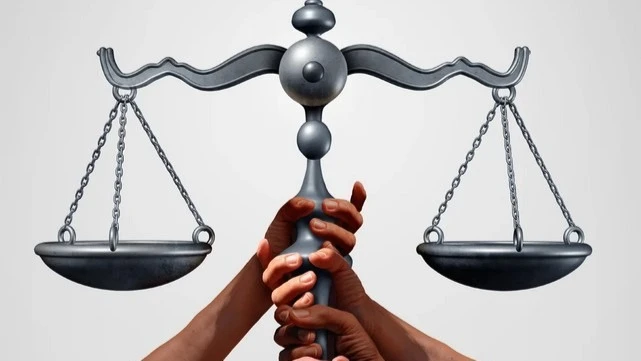
AS Tanzania marks World Day of Social Justice on 20 February, it is timely to reflect on legal aid, which sits at the heart of dignity, equality and responsible civic engagement.
Legal aid enables individuals and communities to understand their rights, seek remedies when violations occur, and resolve disputes peacefully through lawful mechanisms.
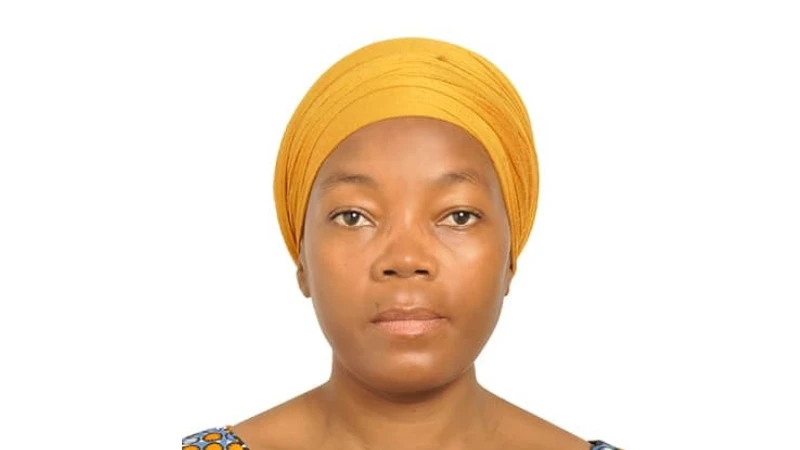
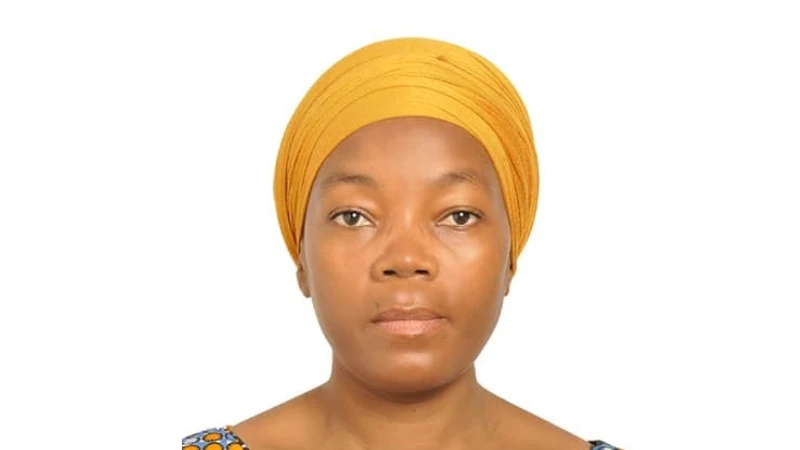
Maria Matui, National Coordinator of the Gender and Climate Change Tanzania Coalition (GCCTC) and an expert in access to justice and socio-economic issues, says the commemoration provides an important national moment to reflect on the country’s journey towards strengthening access to justice, safeguarding human rights and promoting social cohesion.
She notes that legal aid is not merely a service for the vulnerable; it is a cornerstone of constitutionalism and a vital instrument for protecting civic space and ensuring that all citizens can participate meaningfully in national life. In doing so, legal aid contributes directly to Tanzania’s democratic foundations and its obligations under domestic, regional and international human rights frameworks.
According to Matui, access to justice is deeply rooted in the country’s supreme law. The Constitution of the United Republic of Tanzania of 1977, under Article 12, affirms that every person is equal before the law. Article 13 further guarantees equality and non-discrimination in the administration of justice, ensuring that all citizens are entitled to protection without distinction. In addition, Article 18 protects fundamental freedoms of opinion, expression, communication and access to information—rights essential for civic participation and accountability.
Legal aid therefore plays a central role in translating these constitutional guarantees into lived realities, particularly for women, children, rural communities and marginalised groups who may face barriers in navigating legal systems.
Tanzania’s commitment is reinforced through international and regional human rights instruments. The Universal Declaration of Human Rights (1948), under Article 8, affirms that everyone has the right to an effective remedy by competent national tribunals for acts violating fundamental rights. The International Covenant on Civil and Political Rights (1966), under Article 14, guarantees equality before courts and tribunals and the right to a fair and public hearing.
For women and girls, the Convention on the Elimination of All Forms of Discrimination against Women (1979), under Article 2(c), requires States Parties to ensure effective legal protection through competent national tribunals and institutions. At the regional level, the African Charter on Human and Peoples’ Rights (1981), under Article 7, affirms the right of every individual to have their cause heard within a reasonable time.
Reflecting on the occasion, Matui acknowledges the pioneering role played by legal professionals and justice actors who helped shape the foundations of coordinated legal aid provision in Tanzania. Through transformative justice sector reforms, early efforts laid the groundwork for structured legal aid services by bringing together providers, promoting professional responsibility and advancing the understanding that access to justice must extend beyond courtrooms to reach ordinary citizens.
The enactment of the Legal Aid Act, No. 21 of 2017 further strengthened the framework by providing a national system for legal aid delivery, coordination and standards. The Ministry of Constitutional and Legal Affairs has played a key role in overseeing these efforts, ensuring that legal aid is recognised as a rights-based public service rather than charity.
A notable strength in Tanzania’s legal aid landscape has been coordination and partnership between national platforms and support mechanisms, particularly the Tanzania Network of Legal Aid Providers and the Legal Aid Service Facility. These efforts have promoted shared learning, collective advocacy, improved service standards and better resource coordination, enabling programmes to thrive through capacity building and support to organisations and community-based paralegals. Together, such structures demonstrate how coordination strengthens justice delivery and expands services closer to communities, especially in underserved areas.
More recently, the Mama Samia Legal Aid Campaign has provided visible national leadership in taking legal services closer to the people. Through outreach clinics across regions, citizens have accessed free legal consultations on land disputes, inheritance matters, family conflicts and gender-based violence. For many communities, such initiatives represent their first opportunity to engage with legal support without financial barriers.
The Judiciary holds a central mandate in ensuring that justice is delivered fairly, impartially and in accordance with the Constitution. Courts remain the ultimate guardians of the rule of law, responsible for interpreting rights, providing remedies and ensuring due process for all. Public confidence in the Judiciary is therefore essential for social stability, peaceful dispute resolution and the protection of human dignity. Strengthening access to courts, ensuring timely case resolution and maintaining fairness in proceedings are inseparable from the broader legal aid agenda.
Legal aid is especially significant at a time when civic space faces increasing pressures globally and across the region. Civic space refers to the environment in which citizens, civil society actors, journalists, community leaders and human rights defenders can participate freely, express concerns and contribute constructively to national development. Without adequate legal support, even constitutionally protected freedoms can become difficult to exercise meaningfully.
Tanzania is also experiencing increasing levels of investment, infrastructure expansion and shifting economic activity, alongside changing climate patterns that continue to shape livelihoods, land use and community resilience. These dynamics heighten the need for timely access to justice. As development accelerates and climate-related challenges intensify, communities require legal protection that is responsive, accessible and effective in addressing emerging disputes, environmental pressures, displacement risks and resource governance issues.
Despite commendable progress, legal aid provision continues to face funding andTechnology. Demand for services is rising, yet resources remain limited for both state and non-state actors. Technology offers significant potential through digital case management, virtual outreach and improved access for remote communities, but such innovation requires sustained investment and institutional support. Ensuring sustainable access to justice cannot rest on government efforts alone; development partners, philanthropic funders and the private sector also have an important role to play.
As Tanzania observes World Day of Social Justice, legal aid stands both as a celebration of the progress achieved and a reminder that access to justice is a continuous journey. This year’s theme, “Empowering Inclusion: Bridging Gaps for Social Justice,” underscores the need to strengthen inclusive systems that connect rights with practical support. Sustaining open and constructive civic space, investing in legal empowerment and reinforcing collaborative partnerships will ensure that justice remains accessible to all—safeguarding dignity, participation and social cohesion for present and future generations.
Top Headlines
Trending Stories










© 2026 IPPMEDIA.COM. ALL RIGHTS RESERVED